
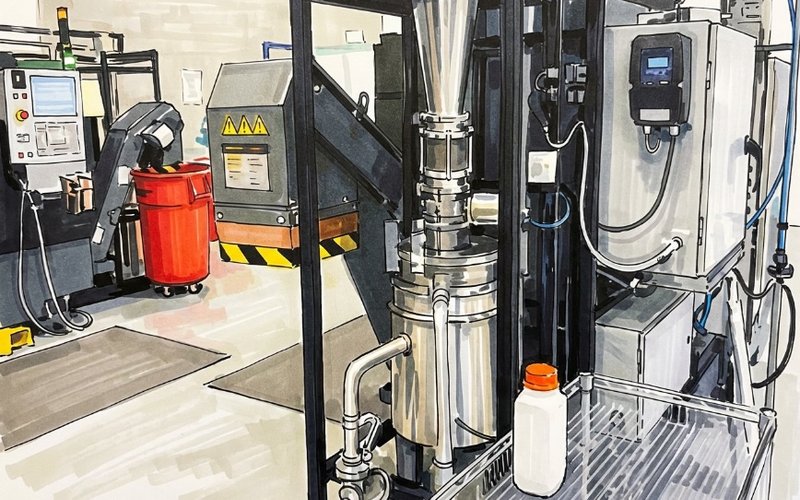

Metal Powder Works (ASX: MPW) has expanded its specialty materials portfolio with the production of high-purity silver powder utilising its patented DirectPowder process.
The process, which converts high-value materials into powder, has a much higher yield – more than 95% - compared to older technologies such as atomisation, meaning more powder meets the specification for sale.
The technology expands Metal Powder Works’ portfolio into the high-value precious metals powder segment and positions it to enter crucial sectors such as the EV industry where electrical and thermal conductivity is critical.
Silver powder represents a substantial and growing global market forecast to exceed US$2.1 billion by 2033, driven by electrification, renewable energy, and advanced electronics manufacturing.
Automotive silver demand in 2025 alone was approximately 90 million ounces, providing an opportunity for companies such as Metal Powder Works to strengthen domestic supply chains.
Compelling Commercial Opportunity
Chief executive officer John E Barnes said the combination of inbound customer demand and DirectPowder’s superior yield created a compelling commercial opportunity.
“When you’re working with feedstock costing nearly $1,900 per kilogram for silver, the difference between 45% yield and 95% yield is transformational,” he said.
“Our DirectPowder technology is doing exactly what it was designed to do, and we believe this milestone positions us to deliver competitive pricing and attractive margins in high-value product segments.”
He said the company would progress market validation of silver powders in manufacturing processes and applications required by customers.
US Naval School Contract
Metal Powder Works recently secured a $1 million contract to supply a containerised version of the DirectPowder process to the US Naval Postgraduate School.
The portable system will enable the rapid, onsite production of high-quality metal powders in challenging and remote environments to support the navy’s operational and maintenance needs.
It will allow sailors and marines to manufacture replacement parts or conduct repairs using additive manufacturing and cold spray technologies without having to reach back to land-based supply chains.
The company expects delivery of the system before year end.
Get the wire before the market opens.
The ASX small-cap stories that matter, filed before 9am AEST. Curated by the Small Caps desk.