

Island Pharmaceuticals (ASX: ILA) has secured a master service agreement (MSA) with Texas Biomedical Research Institute to support the development of lead antiviral molecule galidesivir.
The agreement provides potential for non-human primate studies under the US Food and Drug Administration’s ++Animal Rule++, which was recently determined to be an appropriate regulatory pathway for the approval of measures developed to counter the deadly Marburg virus.
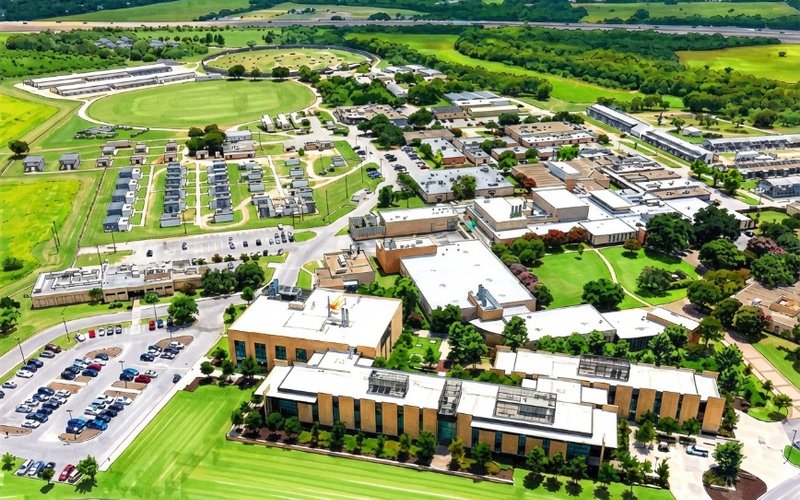
Established in 1941, Texas Biomed is a federally designated National Primate Research Centre—one of four Biosafety Level 4 (BSL-4) facilities in the US approved to conduct pre-clinical infectious disease research using non-human primates.
It is the only independent, non-profit research institute of its kind in the US to combine the highest level of biocontainment labs for infectious disease and biodefence research.
BSL-4 is the highest level of biosecurity precaution demanding a strict setting for working with dangerous and exotic pathogens that have no available vaccines or treatment and can be easily transmitted, causing severe and fatal disease in humans.
Research Track Record
Island’s MSA follows extensive due diligence on Texas Biomed’s track record in infectious disease research, including prior non-human primate studies addressing lethal pathogens involving haemorrhagic-fever viruses.
The company said the institute’s unique infrastructure—encompassing BSL-4 containment, non-human primate resources and deep regulatory expertise required for US Food and Drug Administration (FDA) approval—would provide “exceptional optionality” for the planned development of galidesivir.
The agreement follows recent confirmation that a countermeasure for Marburg would be eligible for the FDA’s Animal Rule pathway and a subsequent Priority Review Voucher post-approval.
Island expects further FDA feedback in the new year that will inform the proposed study design ahead of a planned clinical program.
Strategic Developmental Step
Island managing director Dr David Foster said the agreement represented an important strategic step in the development of galidesivir.
“Texas Biomed’s world-class expertise provides us with an optimal potential partner to progress this antiviral candidate toward FDA approval,” he said.
“Its BSL-4 capabilities and access to a National Primate Research Centre have the potential to efficiently generate data to underpin approval under the Animal Rule pathway, once our clinical trial program has been finalised.”
He said Island would continue to advance discussions with other potential research partners as part of an ongoing push to attract best-in-class partners for the next phase of galidesivir’s development.
Get the wire before the market opens.
The ASX small-cap stories that matter, filed before 9am AEST. Curated by the Small Caps desk.