


- 01Healthcare rotation gains steam.
- 02Oil shock drives macro; rotation ahead.
- 03Radars: PME, TLX, TNE, 360, SDR.
- 04Healthcare may lead in 12m.
While investors obsess over every headline from the Middle East, every movement in crude oil and every comment from central bankers, we believe something far more important is unfolding beneath the surface of the Australian share market.
The recent pullback in the ASX 200 has understandably focused attention on geopolitical tensions, surging energy prices and renewed inflation concerns. Those risks are real. Oil has become the market's favourite talking point, inflation expectations have started moving higher again and bond markets are becoming increasingly cautious. Yet history teaches us that the biggest opportunities rarely emerge from the stories dominating today's headlines. More often, they appear quietly while investors remain distracted by the crisis of the moment.
What we are seeing today is not simply a market reacting to higher oil prices. We are witnessing the early stages of a capital rotation. Some sectors are attracting fresh inflows while others are beginning to lose favour. The winners of the next twelve months may look very different from the winners of the previous twelve months.
In this report, we examine what has driven the recent weakness across Australian equities, where institutional capital appears to be flowing, what the bond market is signalling about the next phase of the economic cycle and why healthcare, a sector largely ignored for much of the past two years, may be approaching an important turning point.
We will also reveal five stocks currently on our radar that we believe are particularly well positioned to navigate a market increasingly impacted by inflation, energy uncertainty and slowing economic growth. The market may be entering a new chapter. The question investors should be asking is not what worked yesterday, but what is likely to work next.
A Market Pullback with Deeper Implications
At first glance, the recent decline in the ASX 200 appears straightforward. Escalating tensions in the Middle East have pushed crude oil prices sharply higher, reigniting inflation fears just as investors were beginning to believe the worst of the inflation cycle was behind us.
Rising energy prices have once again raised concerns about household spending, corporate margins and the outlook for interest rates.
Yet when we look beneath the headline index performance, the picture becomes much more interesting.
The market is not experiencing a broad-based sell-off. Instead, we are seeing investors become increasingly selective. Capital is leaving some sectors while finding its way into others.
This distinction matters because sector rotations often provide some of the earliest clues about where the market believes the economy is heading.
The broad market may be weaker, but not all industries are being treated equally.
When Oil Becomes Everyone's Problem
The influence of crude oil extends far beyond energy companies.
Whenever oil prices surge, the effects ripple through virtually every corner of the economy. Transport companies face higher fuel bills. Manufacturers absorb increased production costs. Retailers pay more to move inventory. Airlines face rising operating expenses. Consumers spend more filling their cars and less on discretionary purchases.
This is why investors pay such close attention to oil markets during periods of geopolitical uncertainty. A sustained rise in crude prices acts almost like a tax on economic activity.
Over the past quarter, energy prices have once again become a dominant force shaping market expectations. Concerns surrounding supply disruptions through the Strait of Hormuz have prompted traders to add a significant geopolitical premium into crude markets. Even if actual supply remains uninterrupted, the mere possibility of disruption can be enough to drive prices materially higher.
For policymakers, this creates a difficult challenge. Just as inflation appeared to be moderating, energy prices have introduced a fresh source of upward pressure.
The Return of Inflation Anxiety
For much of the past year, investors were focused on when interest rates might start falling.
Today, the conversation has changed. Instead of discussing rate cuts, markets are once again debating how long interest rates may need to remain elevated.
Rising oil prices have complicated the inflation outlook and increased the risk that inflation remains above central bank targets for longer than previously expected.
This shift matters enormously for asset prices. Equity valuations are ultimately built upon expectations of future earnings and future interest rates.
When inflation rises, bond yields tend to rise. When bond yields rise, investors demand higher returns from equities. The result is pressure on valuation multiples, particularly among sectors whose earnings lie further into the future.
This is precisely why some of the market's strongest performers over recent years have suddenly found themselves under pressure.
Following the Money
One of the most useful exercises during any market correction is to ignore the headlines and simply follow the capital.
Where is money going?
The answer tells us far more than where the index closed on any given day. The most obvious beneficiary has been the energy sector. Investors seeking protection from higher oil prices have naturally gravitated towards companies whose revenues benefit directly from rising energy prices. This trade has become increasingly crowded as geopolitical tensions have intensified.
However, the more interesting development is occurring outside the energy sector. Defensive industries have quietly begun attracting renewed attention.
Businesses with stable earnings, predictable cash flows and limited economic sensitivity are beginning to outperform. Investors are increasingly willing to pay a premium for certainty.
This brings us to healthcare.
The Forgotten Sector
Healthcare has spent much of the past two years sitting in the shadows.
While investors chased AI, technology and commodity-related opportunities, healthcare struggled to generate excitement. Several leading companies experienced operational setbacks, earnings disappointments and valuation compression. The sector gradually fell out of favour.
Yet market leadership often emerges from the least expected places. When we examine previous market cycles, healthcare frequently begins outperforming when investors become less confident about economic growth.
Its appeal is relatively simple. People continue requiring medical treatment regardless of whether GDP growth accelerates or slows. Demand remains remarkably resilient.
Unlike consumer discretionary spending, healthcare demand does not disappear during periods of uncertainty. This resilience becomes increasingly valuable as economic conditions become more challenging.
Why Healthcare Could Be Approaching an Inflection Point
There are several reasons we believe healthcare deserves renewed attention.
The first is valuation. After years of underperformance, many healthcare companies are trading well below previous highs despite retaining strong competitive positions and global revenue streams.
The second is earnings visibility. Investors increasingly value businesses capable of delivering predictable financial performance regardless of macroeconomic conditions. Healthcare fits that description remarkably well.
The third is relative insulation from energy shocks. While no industry is completely immune to rising energy costs, healthcare businesses generally face far less exposure than transport operators, manufacturers, construction firms or airlines.
Most importantly, healthcare appears well suited to the type of environment the bond market is currently signalling.
The Bond Market's Message
Equity investors often focus on company earnings, but bond investors tend to focus on economic cycles.
Right now, bond markets appear to be delivering a clear message.
The market is no longer confidently pricing a smooth transition towards lower inflation and lower interest rates.
Instead, investors are beginning to contemplate a scenario where inflation remains persistent while economic growth gradually slows.
Historically, this environment has favoured defensive sectors over highly cyclical industries. It also tends to reward quality businesses with strong balance sheets, recurring revenues and reliable earnings growth.
In other words, the market appears to be moving away from speculative growth and towards earnings certainty.
What Happens If the War Ends Tomorrow?
One of the most common questions investors ask is whether a resolution to geopolitical tensions would immediately solve the inflation problem.
The short answer is no.
Oil prices would likely react almost instantly. Markets are efficient and geopolitical risk premiums can disappear quickly once uncertainty subsides. However, inflation behaves differently.
The higher costs already embedded within supply chains do not vanish overnight. Freight contracts, inventory costs, transportation expenses and pricing decisions all operate with delays.
Businesses typically require time to adjust pricing structures, and consumers often continue feeling the effects long after commodity prices have begun falling.
In our view, even under an optimistic scenario where hostilities end immediately, inflationary pressures would likely require at least six to twelve months to meaningfully normalise.
Interest rate expectations could take even longer to adjust. This means investors should be cautious about assuming a rapid return to the environment that prevailed before energy prices began rising.
The Winners and Losers of The Next Phase
If inflation remains elevated and economic growth continues moderating, some sectors are likely to face ongoing challenges.
Industries heavily dependent on transportation, logistics and energy-intensive operations remain vulnerable to higher input costs. Consumer discretionary businesses may also face pressure as households continue grappling with elevated living expenses.
Conversely, sectors with strong pricing power, recurring revenues and limited energy exposure appear increasingly attractive.
Healthcare sits firmly within this group. Technology also deserves consideration, although its relationship with interest rates makes it more sensitive to bond market movements.
Services businesses, software companies and telecommunications providers may also benefit from investors' growing preference for predictable earnings streams.
The key theme is quality. Markets entering later stages of the economic cycle tend to reward resilience over optimism.
Five Stocks on Our Radar
Against this backdrop, we have identified five companies that we believe warrant close attention.
Each operates in an area of the market that appears increasingly aligned with the emerging economic environment.
Some offer exposure to defensive growth. Others provide strong structural tailwinds that remain intact regardless of short-term macroeconomic uncertainty. Several have experienced meaningful valuation compression despite maintaining attractive long-term fundamentals.
Most importantly, all five possess characteristics that we believe could become increasingly valuable if inflation remains elevated, growth continues moderating and investors continue rotating towards quality earnings.
Like My Insights? Follow Me on LinkedIn.
SiteMinder: The quiet global leader powering the hotel industry
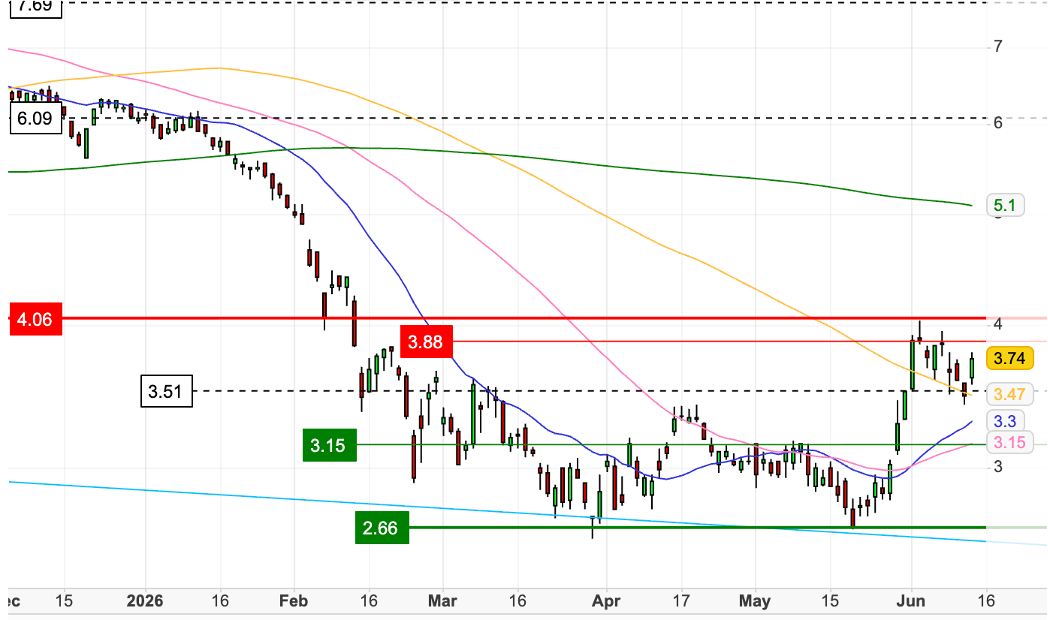
When investors think about software companies benefiting from long-term structural growth, hospitality technology is rarely the first area that comes to mind. Yet this is precisely where SiteMinder (ASX: SDR) has built a dominant position.
The company operates one of the world's leading hotel commerce platforms, helping accommodation providers manage bookings, pricing, distribution channels, payments and guest acquisition from a single cloud-based system.
Today, SiteMinder supports tens of thousands of hotel properties across more than 150 countries, making it one of Australia's most globally diversified software businesses.
What we find particularly compelling is the critical role the platform plays within hotel operations. Once integrated, it becomes deeply embedded in daily workflows, creating high switching costs and supporting strong customer retention.
The key catalyst driving SiteMinder's momentum is the continued digital transformation of the global accommodation sector.
Hotels are increasingly focused on maximising occupancy, optimising pricing and improving direct booking capabilities, all of which play directly into SiteMinder's strengths.
In its latest results, the company reported annual recurring revenue growth of approximately 24%, while subscription revenue continued to expand across key international markets.
Management has also demonstrated increasing discipline around profitability, showing that growth is translating into improved operating leverage as the business scales. Importantly, penetration remains relatively low compared to the size of the global hotel market, leaving significant room for future expansion.
Pro Medicus: A world-class healthcare technology champion
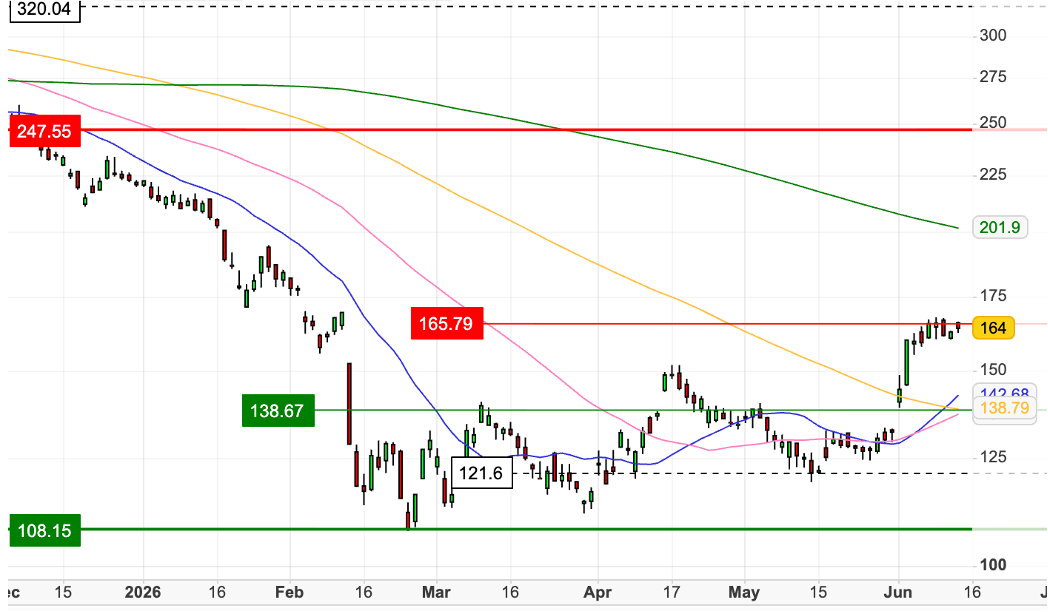
Few Australian companies have managed to establish a global leadership position quite like Pro Medicus (ASX: PME). The company specialises in advanced medical imaging software, providing hospitals and radiology groups with technology that enables clinicians to access, interpret and share diagnostic images more efficiently.
Through its flagship Visage platform, Pro Medicus has become a trusted partner to some of the largest healthcare providers in North America.
What stands out to us is the company's ability to dominate a highly specialised niche where product performance, reliability and workflow efficiency matter far more than price. This has allowed Pro Medicus to build an enviable reputation and secure long-term relationships with some of the world's most prestigious healthcare institutions.
The company's latest results reinforced why it continues to attract attention from investors globally. During its most recent half-year result, revenue increased 28.4% while net profit after tax rose 31.9%, highlighting the strength of its operating model.
The business also maintained a debt-free balance sheet and cash reserves exceeding $180 million. More importantly, Pro Medicus continues to secure significant contract wins across the United States, extending its already substantial revenue pipeline and providing excellent visibility over future earnings.
Every major contract not only contributes recurring revenue but also strengthens the company's reputation within a highly interconnected healthcare ecosystem.
Looking ahead, we believe Pro Medicus sits at the intersection of two powerful investment themes. The first is healthcare, a sector that has historically demonstrated resilience during periods of economic uncertainty.
The second is software-driven productivity improvement, which remains a priority for healthcare providers facing increasing demand and resource constraints.
At a time when investors are seeking businesses capable of delivering reliable growth regardless of inflation, commodity prices or consumer sentiment, Pro Medicus offers a combination of quality, earnings visibility and global growth that is difficult to replicate elsewhere on the ASX.
Life360: Building the digital operating system for modern families
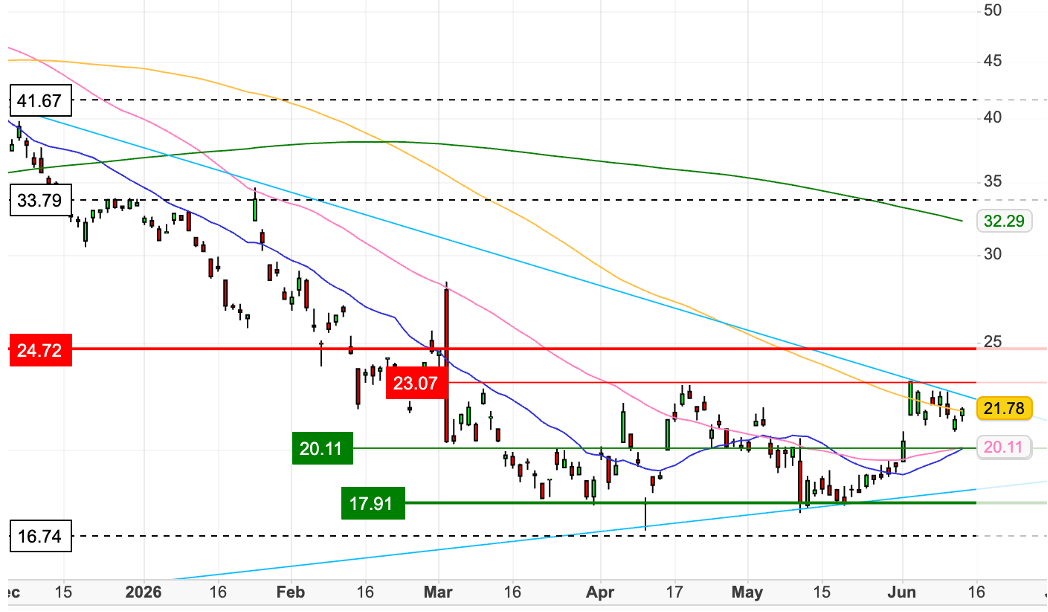
What began as a family location-sharing application has evolved into one of the most interesting consumer technology platforms listed on the ASX.
Life360 (ASX: 360) has spent years building a comprehensive ecosystem focused on family safety, connectivity and peace of mind. Today, the platform extends far beyond location services to include emergency response features, digital safety tools, identity protection services and connected hardware products.
We believe one of the company's greatest strengths is its ability to increase engagement across entire households rather than relying on individual users. This creates a powerful network effect that supports both user retention and monetisation opportunities over time.
Recent results demonstrated just how effectively management is executing on this strategy. In the latest quarter, revenue increased 38% to US$143.1 million, supported by strong growth across subscriptions and advertising.
Monthly active users reached approximately 97.8 million globally, while paying circles increased 27% to 3 million. Management also upgraded full-year guidance, reflecting confidence in both revenue growth and profitability. What stands out to us is the increasing diversification of revenue streams.
The business is no longer dependent on a single product or monetisation model, creating a more resilient platform capable of generating sustained earnings growth.
The reason Life360 deserves attention in today's market environment is that its growth drivers remain largely independent of the factors currently creating uncertainty elsewhere. Families continue prioritising safety and connectivity regardless of interest rates, inflation or commodity prices.
At the same time, the company is benefiting from global adoption trends that remain in the early stages of development. As investors increasingly favour businesses with recurring revenues, expanding profitability and substantial addressable markets, Life360 offers exposure to a rare combination of strong growth and improving financial discipline.
Technology One: The compounder that keeps delivering
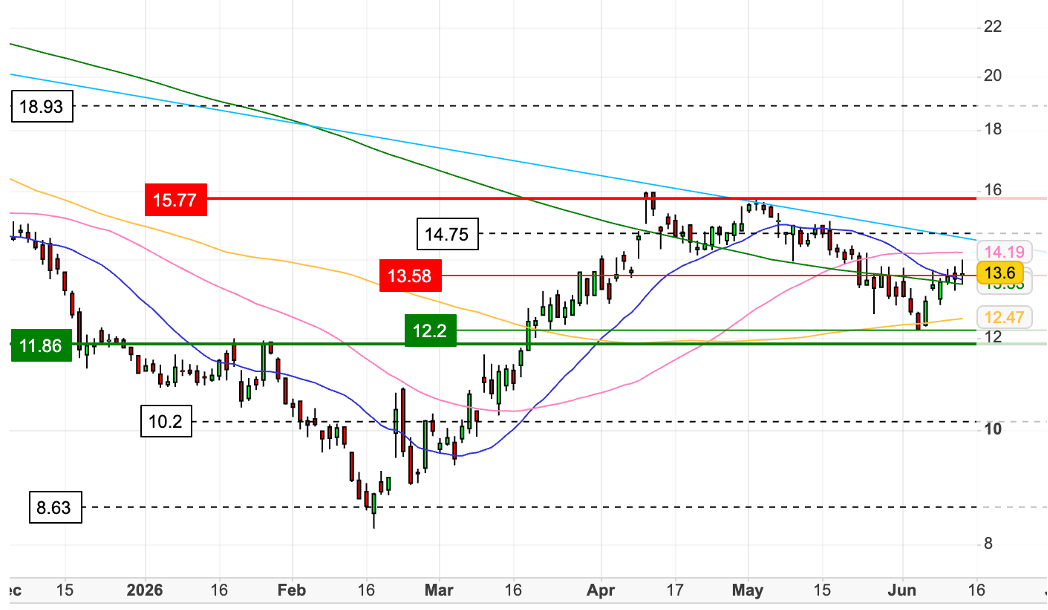
Some businesses generate excitement through disruptive technologies or bold growth stories. TechnologyOne (ASX: TNE) has taken a different approach. For decades, the company has quietly built one of the highest-quality software businesses in Australia by focusing on mission-critical enterprise software for government agencies, universities, healthcare providers and large organisations.
Its software platform supports everything from finance and procurement to asset management and human resources, making it deeply integrated into customer operations.
What we particularly appreciate is the durability of the business model. Once customers implement TechnologyOne's software, the cost and complexity of switching providers becomes significant, resulting in exceptionally strong retention rates.
The company's latest results once again demonstrated the consistency that has become synonymous with the TechnologyOne story. Annual recurring revenue reached $598 million, increasing 17%, while profit growth remained solid despite continued investment in future opportunities.
Management remains confident in achieving its long-term objective of surpassing $1 billion in annual recurring revenue by FY30. The company's expansion into the United Kingdom continues to gain traction, while new artificial intelligence capabilities are creating additional opportunities to enhance customer productivity and strengthen the platform's value proposition.
Telix Pharmaceuticals: A healthcare growth story entering a new phase
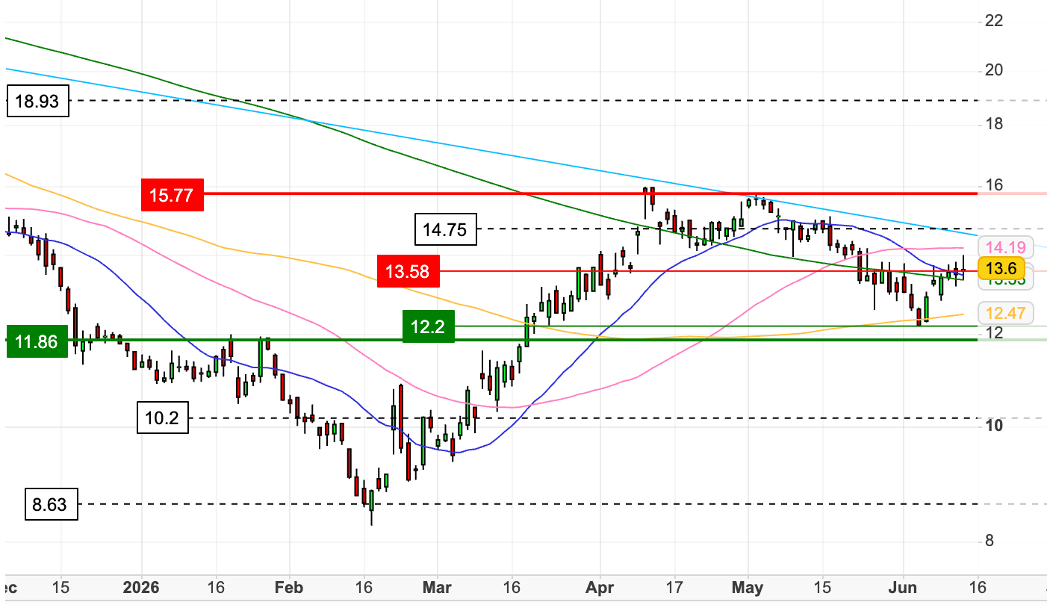
Telix Pharmaceuticals (ASX: TLX) represents one of the most exciting developments within the Australian healthcare sector. The company operates in the rapidly expanding field of radiopharmaceuticals, using targeted radioactive compounds to improve the diagnosis and treatment of cancer.
While many biotechnology companies spend years pursuing commercial success, Telix has already crossed an important threshold. Through products such as Illuccix and Gozellix, the company has established a meaningful revenue base while continuing to advance an extensive pipeline of future opportunities.
We believe this combination of commercial scale and innovation significantly differentiates Telix from many traditional biotechnology investments.
The company's latest financial results underscored the strength of its execution. Revenue reached US$803.8 million during FY2025, representing growth of 56% and exceeding management's upgraded guidance.
At the same time, Telix generated positive adjusted EBITDA while continuing to invest heavily in research, development and commercial expansion. Looking ahead, management expects FY2026 revenue of between US$950 million and US$970 million, reflecting continued momentum across its precision medicine portfolio.
The successful commercial rollout of new products and ongoing expansion into global markets have strengthened confidence that Telix is entering a new phase of growth.
Wrapping Up
Markets are often at their most interesting when uncertainty is high.
The recent pullback in the ASX 200 has understandably focused attention on oil prices, inflation and geopolitical tensions. Yet beneath these headlines, a more important story may be developing. Capital is rotating. Investors are becoming more selective. The market is beginning to reward different characteristics than it did twelve months ago.
The bond market suggests we are moving deeper into a late-cycle environment. Energy prices have reintroduced inflation concerns. Economic growth is slowing rather than accelerating. In this backdrop, we believe investors should pay close attention to sectors capable of delivering resilient earnings regardless of the economic weather.
Healthcare stands out as one of the most compelling candidates. After years of underperformance, the sector appears increasingly aligned with the characteristics investors are seeking, stability, predictability, global exposure and limited sensitivity to energy driven inflation.
The winners of the next market cycle may not be the companies dominating today's headlines. Often, the next leaders emerge quietly while the market is looking somewhere else. Today, healthcare may be one of those places.
Get the wire before the market opens.
The ASX small-cap stories that matter, filed before 9am AEST. Curated by the Small Caps desk.