

- 01Exclusive DMX-200 licence to Everest in Asia.
- 02Dimerix funds ACTION3; Everest leads regulatory & launch.
- 03Upfront $14.1m; milestones; royalties up to 15%.
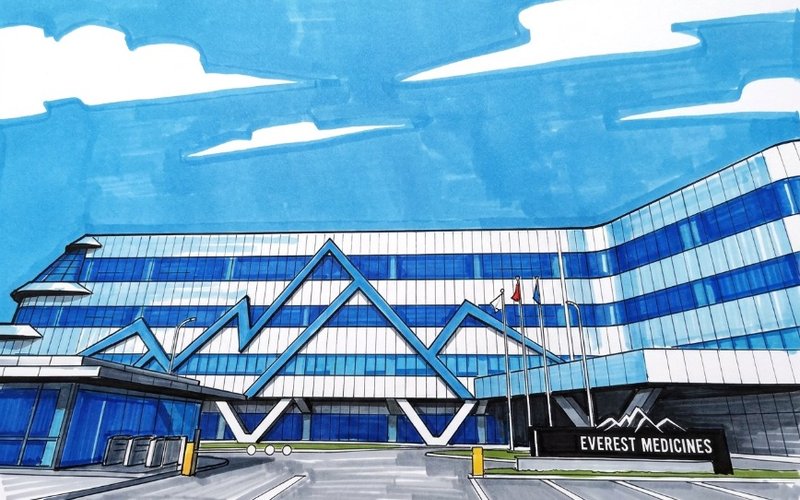
Dimerix (ASX: DXB) has entered into an exclusive licence agreement with Chinese biopharma company Everest Medicines for the commercialisation of Phase 3 drug candidate DMX-200 in Greater China, South Korea, and south-east Asia.
DMX-200 is a small molecule inhibitor of the chemokine receptor 2 under development in a pivotal Phase 3 ACTION3 study for the treatment of the rare and serious kidney disease focal segmental glomerulosclerosis (FSGS).
The study’s adult cohort has recruited 333 patients, some of whom reside in the licenced territories that include Chinese mainland, Hong Kong Special Administrative Region, Macao SAR, Taiwan, Singapore, Malaysia, Thailand, Indonesia, Vietnam, and the Philippines.
Between 500,000 and 1 million people in China alone are estimated to be living with FSGS.
Terms and Consideration
Under the terms of the agreement, Dimerix will continue to fund and execute the ACTION3 study and Everest will be responsible for supporting submission and maintenance of the regulatory dossier in the licenced territories, as well as all costs of commercialisation activities.
Dimerix will receive an upfront payment of $14.1 million from Everest and will be eligible to receive another $42.4m in development and regulatory milestone payments plus up to $424.4m in commercial milestone payments, with tiered royalties of up to 15% on DMX-200 net sales.
The companies will form a joint steering committee to align the development and commercialisation of DMX-200 to treat FSGS patients in the licenced territories.
Everest is the fifth licencee of DMX-200 following deals with Advanz Pharma, Taiba Rare, Fuso Pharmaceutical Industries, and Amicus Therapeutics (now BioMarin) that have generated more than $65m in revenue for Dimerix.
Under-served Patient Population
Dimerix chief executive officer Dr Nina Webster said the new agreement “significantly expands the potential reach of DMX-200 into a large and under-served patient population.”
“Everest is well-positioned to maximise the opportunity in the licenced regions, which allows us to retain focus on progressing our global registrational program, delivering value for shareholders, and providing real hope for FSGS patients across the globe in need of treatment options.”
FSGS is a serious kidney disorder characterised by progressive scarring of glomeruli filtering units which can lead to excess protein in urine, progressive loss of kidney function, and end-stage renal disease.
In patients with progressive or treatment-resistant FSGS, the time from diagnosis to end-stage kidney disease can be as short as five years.
Disease recurrence occurs in up to 60% of patients who undergo kidney transplantation, underscoring the urgent need for new disease-modifying treatments.
Get the wire before the market opens.
The ASX small-cap stories that matter, filed before 9am AEST. Curated by the Small Caps desk.